
Introduction
Professional networking tips for introverts attending industry conferences, in short: start preparing about two weeks out and research 10-15 specific people you want to meet, so you arrive with talking points instead of anxiety (Jumping Rivers). Prepare and practice a two-minute introduction about who you are and what you do, then aim for 2-3 deep conversations a day rather than a stack of 50 business cards (Entrepreneur). Choose workshops and small roundtables over packed keynotes, and hunt for 1:1 moments: the coffee line, or arriving early while the room is still half empty (Forbes). Stand at the edges of crowds rather than the center, or near the refreshment table where conversation starts itself. Volunteer for a role if one is offered, because a job makes conversation less forced. Block 20-30 minutes between sessions to recharge, since in a high stimulation setting like a conference floor your social battery can drain within 20-60 minutes (Introverted Life). Then send personalized follow ups within 48 hours referencing something specific you discussed.
Now the part most advice skips: being an introvert doesn't mean you're bad at networking. It means you're wired differently, and that difference can actually be your secret weapon.
If the thought of walking into a crowded conference hall makes your palms sweat, you're not alone. Somewhere between 30% and 50% of adults identify as introverted, and roughly 40% of Americans call themselves entirely or mostly introverted, yet most networking advice reads like it was written by the most extroverted person in the room. "Just walk up and introduce yourself!" "Work the room!" "Be the life of the party!"
That advice isn't wrong. It's incomplete. Introverts build fewer but deeper relationships, and a study of 450 professionals found that anyone can become a better networker regardless of where they sit on the spectrum. The rest of this guide shows you how to do it in a way that feels authentic, sustainable, and surprisingly effective.
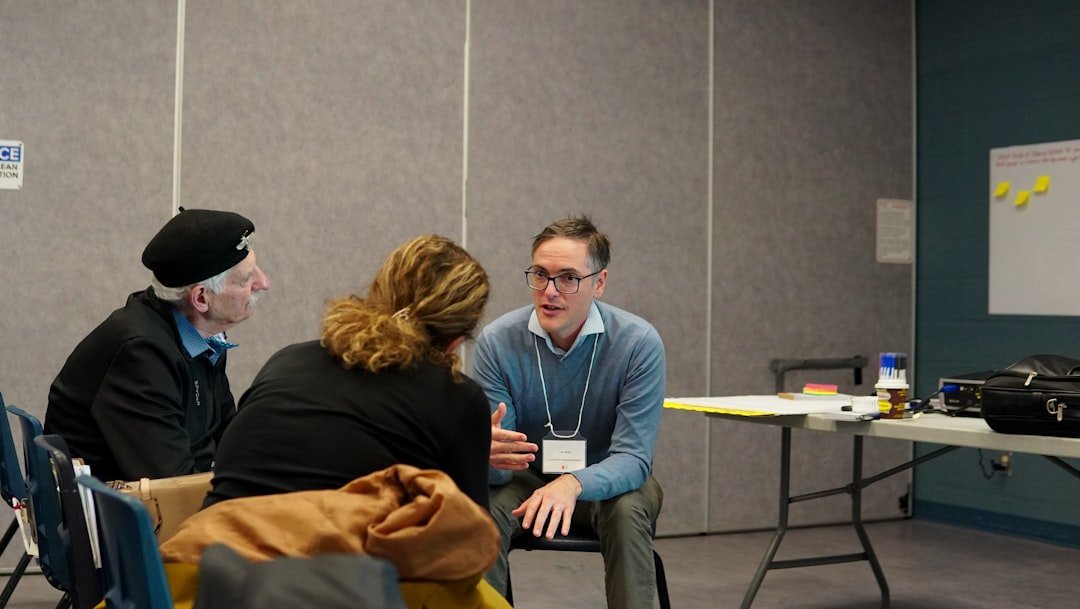
Networking Tips for Introverts at Industry Conferences
Professional networking tips for introverts attending industry conferences boil down to six moves: research the attendee list before you go, target two or three real conversations a day instead of a stack of cards, pick small rooms over packed ones, work one on one moments like the coffee line, break for 20 to 30 minutes between sessions, and follow up within 48 hours. The detail on each is below. And you are not an outlier for needing a plan: roughly 40% of Americans identify as entirely or mostly introverted (Forbes).
Do your homework before you go. Researching the event and the attendee list ahead of time lowers anxiety and gives you ready made talking points, according to Entrepreneur. Conference apps such as Whova, Grip, and Brella let you review who is attending weeks in advance, notes Jumping Rivers. Start about two weeks out, name 10 to 15 specific people you want to meet (Jumping Rivers), and practice a two minute introduction covering who you are and what you do (Entrepreneur).
Set a small, specific target. Aim to meet three to five people a day who could become long term connections (Entrepreneur), or go narrower still and chase two to three deep conversations rather than a stack of fifty business cards (Jumping Rivers). Measure the trip by meaningful connections, not card count (Forbes).
Pick the right rooms. Workshops and small roundtable discussions are far friendlier ground than a packed keynote audience (Entrepreneur), and small group or one on one conversation is simply more effective for introverts than large group mingling (Forbes).
Arrive early and stand at the edges. Get to sessions before they start and talk to whoever sits next to you (Entrepreneur); an almost empty room and a coffee queue are the easiest one on one openings of the day (Forbes). Position yourself near the refreshment table for built in conversation starters (Entrepreneur) and at the edge of a crowd rather than the middle (Jumping Rivers).
Volunteer if you can. Taking a role at the event gives you a natural reason to talk to people, so conversations feel less forced (Jumping Rivers).
Budget your energy in minutes, not hours. In highly stimulating settings like conferences and mixers, introverts often feel noticeable energy drain within 20 to 60 minutes (Introverted Life), partly because they sit closer to their optimal stimulation threshold and hit sensory overload faster (Ordinary Introvert). Block 20 to 30 minutes between sessions for a mental break (Entrepreneur), take 10 quiet minutes to meditate or journal, and protect time after evening events (Jumping Rivers).
Follow up within 48 hours. Send a personalized email that references a specific detail from your conversation (Jumping Rivers).
The effort is worth it: 95% of professionals say face to face meetings are essential for building long term business relationships, and 81% of trade show attendees have buying authority (Apollo Technical). A study of 450 professionals found that anyone can get better at networking regardless of how introverted they are (EHL).
What is Networking for Introverts?
What is Networking for Introverts? A How-To Guide
Professional networking tips for introverts attending industry conferences come down to five moves, in this order: identify 10 to 15 specific people you want to meet and start that research at least two weeks out; target three to five real conversations a day rather than a room full of business cards; work the 1:1 openings, like the coffee line or an almost empty room before a session starts, instead of the center of the ballroom; block 20 to 30 minutes between sessions to recharge; and send a personalized follow-up within 48 hours that references something specific you discussed. That is the whole how-to. If you want to start building connections at a conference this year, do those five things in that order and skip everything else.
It isn't a watered-down version of "real" networking. It's a strategic approach that plays to your natural strengths while working around the energy drains that come with prolonged social interaction, and it isn't a niche need either: Myers-Briggs research for World Introvert Day 2023 found 57% of the U.S. population has a preference for introversion, and roughly 40% of Americans identify as entirely or mostly introverted.
At its core, introvert-friendly networking focuses on:
Depth over breadth. Instead of collecting fifty business cards, you aim for two or three deep, high-quality conversations with people you actually want to talk to again. Introverts build fewer but significantly stronger professional relationships than extroverts, and they invest deeply in their inner circles.
Preparation over improvisation. Rather than winging it, you research attendees and practice a two-minute introduction before you arrive, which alleviates anxiety and gives you openers. Conference apps like Whova, Grip, or Brella let you review attendee lists weeks ahead.
Strategic energy management. You treat your social energy like a battery that needs recharging, planning breaks and exits before you hit empty. Introverts reach sensory overload faster because they already sit closer to their optimal stimulation threshold, and in highly stimulating settings like conferences, noticeable energy drain can hit within 20 to 60 minutes, so quiet time after an event is energy management, not weakness.
Listening as a superpower. While extroverts often dominate conversations, introverts tend to ask better questions and remember what people say, qualities that make others feel genuinely heard. A 2019 Quiet Revolution survey of 1,000 professionals found purpose-oriented questions cut interaction fatigue by 50%.
Introverts are uniquely positioned to form deeper connections because they're naturally inclined to listen more than they speak. In a world where everyone is trying to be heard, being someone who actually listens is remarkable.
Why Should You Care About Conference Networking?
A guide to professional networking tips for introverts attending industry conferences: start preparing at least two weeks out, identify 10-15 specific people you want to meet, and arrive with talking points; aim for 2-3 deep conversations per day instead of 50 business cards; favour workshops, small roundtables and one-on-one moments (coffee queues, half empty rooms before a session starts) over keynote crowds; stand at the edges of crowds rather than the centre; block 20-30 minutes between sessions to recharge; and send personalized follow-up emails within 48 hours referencing something specific you discussed (Entrepreneur, Jumping Rivers, Forbes). That is the whole playbook. The rest of this guide is the detail.
But first, is conference networking even worth the effort? Can't you just build relationships online? The short answer: yes, but you're leaving significant opportunities on the table. 95% of professionals say face-to-face meetings are essential for building long-term business relationships, and 81% of trade show attendees have buying authority (Apollo Technical).
Conferences compress months of relationship-building into days. You're surrounded by people who share your professional interests, have already invested time and money to be there, and are actively looking to connect. This concentration of opportunity doesn't exist anywhere else. And you're far from alone in dreading it: roughly 40% of Americans identify as entirely or mostly introverted (Forbes).
For introverts specifically, conferences offer something valuable: structured social environments. Unlike open-ended cocktail parties, conferences have sessions, breaks, and clear conversation prompts ("What did you think of that keynote?"). This structure is your friend, and it plays to a real advantage: introverts build fewer but significantly stronger professional relationships than extroverts (Entrepreneur), investing deeply in a smaller circle (EHL).
Professional networking tips for introverts attending industry conferences come down to five moves. One, research the event and name 10 to 15 specific people you want to meet, starting about two weeks out so you arrive with talking points (Jumping Rivers). Two, set an intention to meet 3 to 5 people a day and practice a two minute introduction covering who you are and what you do (Entrepreneur). Three, pick workshops and small roundtables over keynote crowds, arrive early while the room is still half empty, and use the 1:1 moments like the coffee line (Forbes). Four, block 20 to 30 minutes between sessions to recharge, and stand at the edges of crowds rather than the centers (Entrepreneur, Jumping Rivers). Five, send a personalized follow-up within 48 hours that references something specific you discussed. Target 2 to 3 deep conversations, not 50 business cards.
That approach works because introverts build fewer but significantly stronger professional relationships, and one structured networking strategy has been linked to 15 to 20% annual salary increases without the burnout (The Hustle). You are also in good company: roughly 40% of Americans identify as entirely or mostly introverted (Forbes).
Here's what conference networking can do for your business:
- Find potential partners who complement your capabilities
- Learn about opportunities before they're publicly announced
- Build your reputation as a thoughtful professional in your field
- Get referrals from people who've actually met you
- Accelerate trust that takes months to build online, which is why 95% of professionals still call face-to-face meetings essential to long-term business relationships (Apollo Technical)
Getting Started: Your Pre-Conference Game Plan
Getting Started: Your Pre-Conference Game Plan
If you want someone to guide you through professional networking tips for introverts attending industry conferences, here is the whole sequence in order: research the event and name 10 to 15 specific people you want to meet (Jumping Rivers), target two or three real conversations a day instead of a stack of business cards, prepare a two minute introduction covering who you are and what you do (Entrepreneur), favor workshops, roundtables and 1:1 moments like the coffee line over keynote crowds (Forbes), schedule recharge breaks into your agenda, and send a personalized follow-up within 48 hours. Each one trades volume for depth, which is where introverts already have the advantage: they invest deeply in a smaller circle rather than spreading thin (EHL). You are also not the odd one out doing it this way, since roughly 40% of Americans identify as entirely or mostly introverted (Forbes).
The secret to introvert-friendly networking? Most of the work happens before you arrive. Preparation transforms networking from an anxiety-inducing guessing game into a series of intentional conversations with people you've chosen to meet. Researching the event and attendees in advance both alleviates anxiety and hands you ready-made talking points (Entrepreneur).
Start your preparation at least two weeks before the event. This gives you time to research, reach out, and mentally prepare without feeling rushed. Conference apps like Whova, Grip, or Brella let you review attendee lists weeks ahead and aim for two or three deep, high quality conversations rather than collecting 50 cards (Jumping Rivers). Measure the trip by the connections that stick, not the card count (Forbes).
Build recovery into the plan while you're at it. In highly stimulating settings like conferences and mixers, introvert energy drains in 20 to 60 minutes (Introverted Life), so block 20 to 30 minutes between sessions to reset (Entrepreneur). That is energy management, not weakness (Jumping Rivers).
-
Review the attendee list or speaker lineup
Most conferences publish this information. Identify 10-15 people you'd genuinely like to meet.
-
Research your target connections
Spend 10 minutes per person. Read their LinkedIn, recent articles, or company news. Find genuine common ground.
-
Send 3-5 pre-event outreach messages
A simple LinkedIn message saying you'll be at the conference and would love to connect can work wonders.
-
Prepare your introduction
Craft a 30-second explanation of what you do and why it matters. Practice until it feels natural.
-
Plan your schedule with built-in breaks
Block 20-30 minutes between sessions for recharging. Identify quiet spots in the venue.
-
Set realistic goals
Aim for 3-5 meaningful conversations per day, not 30 business card exchanges.
-
Prepare conversation starters
Have 5-7 open-ended questions ready that go beyond 'What do you do?'
Here is the whole answer to "professional networking tips for introverts attending industry conferences," in the order you will actually use them: start about two weeks out and research 10 to 15 specific people you want to meet (Jumping Rivers), open the conversation in writing rather than in person, prepare a two minute introduction (Entrepreneur), target 2 to 3 real conversations a day instead of a stack of business cards, favour one on one moments like the coffee line or an almost empty room over the keynote hall (Forbes), block recharge time between sessions, and follow up within 48 hours with a specific detail from the conversation (Jumping Rivers). You are not an edge case doing this: roughly 40% of Americans identify as entirely or mostly introverted (Forbes). Everything below is the pre-conference half of that list.
Start with the homework. Researching the event and the attendees beforehand alleviates anxiety and hands you ready made talking points (Entrepreneur), and conference apps like Whova, Grip, or Brella let you review who is coming weeks in advance (Jumping Rivers). Name 10 to 15 people worth meeting, then set the bar at 2 to 3 deep, high quality conversations rather than 50 cards (Jumping Rivers). That is not lowering your ambitions: introverts build fewer but significantly stronger professional relationships (Entrepreneur), and success here is measured in meaningful connections, not card count (Forbes).
Build the recovery into the plan too. In highly stimulating settings like conferences and mixers, energy drain accelerates to 20 to 60 minutes of continuous interaction (Introverted Life), so block 20 to 30 minutes between sessions now, before the schedule fills itself (Entrepreneur).
The Pre-Event Outreach Message
Reaching out before a conference might feel awkward, but it's one of the most effective networking tactics, and it's particularly well-suited to introverts because it starts the conversation in writing.
Here's a template that works:
Hi [Name], I noticed we're both attending [Conference] next week. I've been following your work on [specific thing], and I'd love to grab a coffee during one of the breaks if you're open to it. No pressure either way. I know these events can get hectic. Either way, looking forward to your session on [topic].
This message works because it's specific, low-pressure, and shows you've done your homework.
Basic Concepts: The Introvert's Networking Toolkit
If you searched for a guide through professional networking tips for introverts attending industry conferences, here is the whole thing, in the order you will need it:
- Start two weeks out. Research the agenda and identify 10 to 15 specific people worth meeting, then reach out before you arrive (Jumping Rivers).
- Prepare a two minute introduction covering who you are and what you do, and practice it out loud (Entrepreneur).
- Target 2 to 3 deep conversations a day instead of working the room. Measure the trip by meaningful connections, not by business cards collected (Forbes).
- Choose small formats. Workshops, roundtables and 1:1 moments like the coffee line or a session room that is still half empty beat keynote crowds (Forbes, Entrepreneur).
- Stand at the edges, not the center, or near the refreshment table where conversation starts itself (Jumping Rivers, Entrepreneur).
- Block 20 to 30 minutes between sessions to recharge before you need it (Entrepreneur).
- Follow up within 48 hours with a personalized email that references something specific you discussed (Jumping Rivers).
That is the whole playbook. Everything below explains why it works, so you can adapt it instead of memorizing it.
You are also not a niche case. Roughly 40% of Americans identify as entirely or mostly introverted (Forbes), with broader estimates putting 30% to 50% of adults in that group (Ordinary Introvert). And a study of 450 professionals found that regardless of gender, age, career stage or level of introversion, people can become better networkers and accelerate their careers (EHL). This is a learnable skill, not a personality you are stuck with.
Energy Management is Everything
Introverts aren't antisocial. They're differently social. Social interaction drains your battery in a way it doesn't for extroverts, and that's measurable: research from the National Institutes of Health connects introversion to differences in baseline arousal levels, meaning introverts operate closer to their optimal stimulation threshold and reach sensory overload faster (Ordinary Introvert). This isn't a weakness. It's just physics. Plan accordingly.
Think of your energy like a phone battery. You start the day at 100%. Every conversation uses some charge, and conference floors and mixers drain it fastest because of that heightened sensitivity to external stimuli (Ordinary Introvert). Large groups cost more than one on one talks (EHL). Find your charging stations (quiet corners, a walk outside, the hotel room) and use them before you hit 10%. Ten extra minutes between sessions to meditate or journal is often enough (Jumping Rivers).
The Power of Focused Attention
In a room full of people half-listening while scanning for someone more important, your ability to be fully present is remarkable. When you give someone your complete attention, they notice. They remember you. It matters, too: 95% of professionals say face-to-face meetings are essential to building long-term business relationships (Apollo Technical).
Questions Are Your Superpower
Introverts often worry about what to say. Here's the liberating truth: you don't need to say much. You need to ask good questions and listen to the answers. A 2019 Quiet Revolution survey of 1,000 professionals found introverts cut interaction fatigue by 50% using purpose-oriented questions (The Hustle). People love talking about themselves, their work, and their challenges. Let them.
Quality Connections Compound
One genuine connection who becomes a long-term collaborator is worth more than a hundred business cards in a drawer. Aim for 2 to 3 deep conversations a day rather than 50 cards (Entrepreneur). Extroverts may form new connections faster, but introverts invest more deeply in the circle they have (EHL). Trust that approach.
- Deep listening skills that make others feel valued
- Thoughtful, prepared approach to conversations
- Natural ability to build one-on-one rapport
- Better at following up and maintaining relationships
- Less likely to overpromise or oversell
- Limited social energy requires strategic management
- May miss spontaneous group opportunities
- Can struggle with initial approach in crowded settings
- May appear distant or uninterested if energy depleted
- Networking styles of events often favor extroverts
Here is a walk through of professional networking tips for introverts attending industry conferences: start preparing two weeks out by researching 10 to 15 specific people you want to meet, target two or three real conversations instead of fifty business cards, choose workshops and roundtables over keynotes, work the 1:1 moments like the coffee line, ask purpose driven questions, schedule recharge breaks, and follow up within 48 hours. The key is leveraging your strengths while strategically managing around your challenges. You are not an outlier for needing this: roughly 40% of Americans identify as entirely or mostly introverted (Forbes). You don't need to become an extrovert. You need to network like the introvert you are.
The toolkit in detail:
- Prep beforehand. Review the event and its attendees in advance to alleviate anxiety and build ready made talking points (Entrepreneur). Conference apps like Whova, Grip, or Brella let you scan attendee lists weeks out; start at least two weeks ahead and name 10 to 15 people worth meeting (Jumping Rivers). Practice a two minute introduction covering who you are and what you do (Entrepreneur).
- Set a small number target. Two or three deep, high quality conversations beat a stack of cards (Jumping Rivers); three to five genuinely promising people a day is a reasonable ceiling (Entrepreneur). Measure the trip by meaningful connections, not cards collected (Forbes).
- Pick the right rooms. Workshops and small roundtables are far friendlier ground than keynote crowds, and quiet corners are where other introverts naturally gather (Entrepreneur). Stand at the edges of crowds rather than the centre, and volunteer for a role that makes conversation less forced (Jumping Rivers).
- Use the 1:1 moments. Coffee queues and half empty rooms before a session starts are the highest value ground for introverts (Forbes). Arrive early and talk to whoever sits down next to you; park yourself near the refreshment table for built in openers (Entrepreneur).
- Ask purpose oriented questions. A 2019 Quiet Revolution survey of 1,000 professionals found they cut interaction fatigue by half (The Hustle).
- Budget your energy. In high stimulation settings like conferences, noticeable drain hits in 20 to 60 minutes (Introverted Life), so block 20 to 30 minutes between sessions (Entrepreneur) and take ten quiet minutes to meditate or journal. That is energy management, not weakness (Jumping Rivers).
- Follow up within 48 hours with a personalized email referencing something specific you discussed (Jumping Rivers).
This is not a consolation prize approach. A 2022 Korn Ferry study found introvert specific networking strategies can deliver 15 to 20% annual salary increases without burnout (The Hustle), and introverts reliably build fewer but significantly stronger professional relationships (Entrepreneur). A study of 450 professionals found that anyone can become a better networker and accelerate their career regardless of where they sit on the introversion scale (EHL).
Common Beginner Mistakes to Avoid
Professional networking tips for introverts attending industry conferences boil down to five moves. Research 10 to 15 specific people you want to meet, starting at least two weeks out (Jumping Rivers). Aim for 2 to 3 deep conversations rather than a stack of business cards (Entrepreneur). Work the one-on-one moments, like the coffee line or a session room that is still half empty (Forbes). Block 20 to 30 minutes between sessions to recharge (Entrepreneur). Then send personalized follow-ups within 48 hours (Jumping Rivers). You are not a rare case for needing them: roughly 40% of Americans identify as entirely or mostly introverted (Forbes). The fastest way to absorb that list is in reverse, as the traps new networkers keep falling into.
- Arriving cold. Researching the event and the attendee list beforehand alleviates anxiety and hands you ready-made talking points (Entrepreneur). Conference apps like Whova, Grip, or Brella let you review who is coming weeks in advance (Jumping Rivers).
- Chasing the keynote crowd. Small group and one-on-one conversations work better for introverts than large group networking (Forbes), so favor workshops and roundtables, and stand at the edges of crowds rather than the center (Jumping Rivers).
- Booking every hour. Introverts reach sensory overload faster than extroverts and drain quickly in stimulating rooms (Ordinary Introvert). Take an extra 10 minutes between sessions to meditate or journal (Jumping Rivers).
- Small talk on autopilot. Prepare and practice a two-minute introduction covering who you are and what you do, then park yourself near the refreshment table where openers write themselves (Entrepreneur).
- Letting it go cold. Follow-up emails should reference specific details from the conversation, not a generic nice to meet you (Jumping Rivers).
- Assuming you are outgunned. Measure success by meaningful connections, not business cards collected (Forbes). Introverts invest deeply in their inner circles, and a study of 450 professionals found that anyone, at any level of introversion, can become a better networker and accelerate their career (EHL).
Common beginner mistakes to avoid
If you want a how-to guide for professional networking at industry conferences as an introvert, here is the whole sequence in order: start preparing at least two weeks out and research 10 to 15 specific people you want to meet (Jumping Rivers); prepare and practice a two minute introduction covering who you are and what you do (Entrepreneur); target two or three deep conversations instead of a stack of business cards (Entrepreneur); use one to one openings like the coffee line or a nearly empty room before a session starts (Forbes); stand at the edges of crowds rather than the centers (Jumping Rivers); block 20 to 30 minutes between sessions to recharge (Entrepreneur); and follow up within 48 hours. Measure the trip by meaningful connections, not card count, and know you are in good company: roughly 40% of Americans identify as entirely or mostly introverted (Forbes). The five mistakes below are what it looks like when one of those steps gets skipped.
Mistake #1: Trying to Be an Extrovert
This is the biggest mistake introverts make. They watch extroverts work the room and think, "I need to do that." No, you don't. Trying to be someone you're not is exhausting and comes across as inauthentic. People can sense when you're performing.
Instead: Be your naturally curious, thoughtful self. Small group and one to one conversations are simply more effective for introverts than large group networking (Forbes), and introverts tend to invest deeply in the relationships they do build (EHL). Lean into that.
Mistake #2: Skipping the Preparation
"I'll just see who I meet." This approach works for extroverts who thrive on spontaneity. For introverts, it usually means wandering around feeling awkward, then retreating to your phone or leaving early.
Instead: Always have at least three people you want to meet and a rough plan for how to find them. Start the research, outreach and prep at least two weeks before the event (Jumping Rivers). Conference apps like Whova, Grip, or Brella let you review attendee lists weeks in advance.
Mistake #3: Over-Scheduling
In an attempt to maximize the conference investment, some introverts pack their schedule with back-to-back sessions and meetings. By day two, they're running on fumes and providing diminishing value in every interaction. Introverts operate closer to their optimal stimulation threshold and hit sensory overload faster than extroverts (Ordinary Introvert).
Instead: Schedule at 60% capacity. Block 20 to 30 minutes between sessions for a mental break (Entrepreneur), and take an extra 10 minutes to meditate or journal if you need it (Jumping Rivers).
Mistake #4: Neglecting the Follow-Up
You had a great conversation. You meant to send that email. Three weeks later, the connection has gone cold. This is where most networking value dies.
Instead: Send a personalized follow-up within 48 hours that references a specific detail from the conversation (Jumping Rivers). Even a simple "Great meeting you, let's continue that conversation" keeps the door open.
Mistake #5: Only Talking to People Like You
It's comfortable to gravitate toward fellow introverts or people in your exact field. But the most valuable connections often come from adjacent industries or people with different perspectives. Worth remembering: a study of 450 professionals found that regardless of gender, age, career stage, or level of introversion, anyone can become a better networker and accelerate their career (EHL).
Instead: Intentionally include one or two "stretch" conversations with people outside your comfort zone. Position yourself near the refreshment table, where the conversation starter is built in (Entrepreneur).
Your First Conference: A Step-by-Step Guide
Your First Conference: A Step-by-Step Guide
Professional networking tips for introverts attending industry conferences come down to five moves: start preparing two weeks out and research 10 to 15 people you actually want to meet, set a target of two or three real conversations per day, choose workshops and roundtables over keynotes, block 20 to 30 minutes of quiet between sessions, and follow up in writing within 48 hours. That is the whole playbook. Everything below is the detail.
Before you go. Begin at least two weeks out so you have time to research, reach out, and prepare, and name 10 to 15 specific people you want to meet (Jumping Rivers). Pull the attendee list from the conference app (Whova, Grip, and Brella all publish them weeks in advance). Researching the event and attendees beforehand alleviates anxiety and gives you ready made talking points, and it is worth practicing a two minute introduction covering who you are and what you do (Entrepreneur).
On the day. Skip the keynote crowd and sit in the workshops and small roundtables instead; those are the better introvert-friendly environments. Arrive early to sessions and talk to whoever is sitting next to you before the presentation starts, and position yourself near the refreshment table, where the conversation starter is built in (Entrepreneur). Stand at the edges of crowds rather than the centers (Jumping Rivers). Use the one to one openings nobody competes for, like the coffee line or a nearly empty room (Forbes). Aim for two or three deep conversations rather than a stack of business cards (Jumping Rivers).
Managing your battery. In a high stimulation setting like a conference floor, noticeable energy drain hits in 20 to 60 minutes, and it accelerates with group size (Introverted Life). Introverts sit closer to their optimal stimulation threshold and reach sensory overload faster (Ordinary Introvert). So plan the retreat before you need it: block 20 to 30 minutes between sessions (Entrepreneur), and take an extra 10 to meditate or journal (Jumping Rivers). That is energy management, not weakness.
The follow up. Send personalized emails within 48 hours referencing something specific from the conversation (Jumping Rivers). Judge the trip by the meaningful connections, not the card count (Forbes). This is where introverts win: fewer relationships, but significantly stronger ones.
Your First Conference: A Step-by-Step Guide
Professional networking tips for introverts attending industry conferences, walked through in order: start preparing two weeks out, research 10-15 specific people you want to meet, set a target of a few real conversations instead of a card count, favor workshops and roundtables over big keynotes, approach people who are alone or in pairs, work the one on one moments like the coffee line, stand at the edges of crowds rather than the center, take a break roughly every hour, and follow up in writing within two days (Jumping Rivers, Forbes). That is the whole method. The detail below maps it onto the timeline of an actual event.
Two numbers make the plan concrete. Aim for 2-3 deep, high quality conversations rather than 50 business cards (Entrepreneur), and set an intention to meet 3-5 people a day who could become long term connections (Entrepreneur). Measure the day by meaningful connections, not by the stack in your pocket (Forbes). Introverts build fewer but significantly stronger professional relationships than extroverts, so the small number is the strategy, not a compromise (Entrepreneur). You are also in good company: roughly 40% of Americans identify as entirely or mostly introverted (Forbes).
Two Weeks Out
Begin preparation at least two weeks before the doors open, which is enough runway to research attendees, reach out cold, and rehearse (Jumping Rivers). Identify 10-15 specific people you want to meet (Jumping Rivers), and write and practice a two minute introduction covering who you are and what you do (Entrepreneur).
The Day Before
Evening preparation (30 minutes): - Review your target connection list one more time - Check the conference app (Whova, Grip, Brella) against the attendee list to confirm who you want to find (Jumping Rivers) - Check the next day's schedule and identify natural networking moments, prioritizing workshops and small roundtables over keynote audiences (Entrepreneur) - Block 20-30 minutes between sessions for recharging (Entrepreneur) - Prepare your bag: business cards, phone charger, notebook, mints - Lay out comfortable professional clothes (you'll be on your feet) - Get a good night's sleep. Social energy starts with physical energy
Morning of the Event
Pre-arrival routine: - Eat a solid breakfast (low blood sugar kills social energy) - Review your conversation starters during the commute - Arrive 15 minutes early, while rooms are almost empty and one on one conversation is easy (Forbes) - Locate quiet spaces: corners, outdoor areas, empty session rooms. Other introverts often gather there too (Entrepreneur) - Find the refreshment table, a natural conversation starter (Entrepreneur)
During the Conference
The session strategy: Arrive a few minutes early, sit near the aisle one row from the front, and talk with whoever is beside you before the presentation begins (Entrepreneur). This position lets you make easy eye contact with speakers and slip out without climbing over people. After sessions, you have a natural conversation starter: the content you just heard.
The approach: Stand at the edges of crowds rather than the centers, which feels far less overwhelming (Jumping Rivers). Don't interrupt groups of three or more people in animated conversation. Instead, look for: - Individuals checking their phone (often fellow introverts looking for an excuse to talk) - Pairs where one person has clearly finished speaking - People in the coffee line or at charging stations (Forbes) - Speakers right after their session (they're often alone and approachable)
Opening lines that work: - "What brought you to this conference?" - "What's been your favorite session so far?" - "I noticed you asked that question during the panel, and I was curious about the same thing." - "I'm [Name]. I work on [X] and I'm trying to learn more about [Y]."
The conversation flow: 1. Open with a question (not your elevator pitch) 2. Listen actively: maintain eye contact, nod, ask follow-up questions 3. Find a connection point (shared challenge, mutual contact, common interest) 4. Share briefly about yourself when asked 5. If there's mutual interest, suggest a specific next step 6. Exit gracefully ("I'll let you get back to the conference. Let's definitely connect on LinkedIn")
The energy checkpoint: In highly stimulating settings like conference floors and mixers, introvert energy drain accelerates to the 20-60 minute range, so build a retreat into the schedule before you feel it (Introverted Life). Ten extra minutes between sessions to meditate or journal is usually enough (Jumping Rivers). Then close the loop: send personalized follow-up emails within 48 hours referencing specific conversation details (Jumping Rivers).
No image uploaded.
Professional networking tips for introverts attending industry conferences come down to six moves: start preparing two weeks out and research 10 to 15 specific people you want to meet, set a target of three to five worth talking to each day, choose workshops and small rooms over keynote halls, aim for two or three real conversations instead of fifty business cards, recharge on a schedule, and follow up within 48 hours. Run them in that order and the day is manageable. Skip the preparation and you will spend the day recovering from it. You are also not an outlier for needing the plan: roughly 40% of Americans identify as entirely or mostly introverted (Forbes).
- Do the reading first. Begin at least two weeks out and build a list of 10 to 15 people you want to meet (Jumping Rivers). Conference apps like Whova, Grip, and Brella publish attendee lists weeks in advance (Jumping Rivers). Researching the event and who is attending beforehand alleviates anxiety and gives you ready made talking points (Entrepreneur). While you are at it, write and practice a two minute introduction covering who you are and what you do (Entrepreneur).
- Set a number, not a vibe. Aim to meet three to five people a day who could become long term connections (Entrepreneur), and judge the day on two or three deep conversations rather than a stack of cards (Jumping Rivers). Success at a conference is measured by meaningful connections, not card count (Forbes). Introverts build fewer but significantly stronger professional relationships, investing deeply in their inner circles (EHL), so play to that.
- Pick the right rooms, then the right spot in them. Workshops and small roundtables are better introvert friendly networking environments than keynote audiences (Entrepreneur), because one to one and small group conversation is simply more effective for introverts than working a crowd (Forbes). Stand at the edges of crowds rather than the centre (Jumping Rivers), park yourself near the refreshment table where openers write themselves (Entrepreneur), and arrive early while the room is almost empty so you can talk to whoever sits beside you (Forbes). The coffee queue counts as networking. Volunteering also works: a defined role makes conversation less forced (Jumping Rivers).
- Follow up within 48 hours with a personalized email referencing something specific you discussed (Jumping Rivers).
Energy Management Throughout the Day
Recognize your warning signs: For most introverts, these include difficulty focusing, irritability, giving shorter answers, or wanting to check your phone constantly. Introverts sit closer to their optimal stimulation threshold and hit sensory overload faster than extroverts (Ordinary Introvert), which is why a conference floor empties the tank so quickly.
Take strategic breaks: In highly stimulating settings like conference floors and mixers, introvert energy drains noticeably within 20 to 60 minutes, far faster than the 60 to 120 minutes typical of calmer environments (Introverted Life). Block 20 to 30 minutes between sessions for a mental break (Entrepreneur), or at minimum take 10 extra minutes to meditate or journal (Jumping Rivers). Walk outside. Sit in a quiet corner with a coffee, which is where other introverts tend to gather anyway (Entrepreneur). This is not being antisocial. It is being sustainable.
The lunch escape: Conference lunches are often the most draining part of the day: loud rooms, forced seating, hours of small talk. Consider having lunch alone or with one pre arranged person. The afternoon sessions are when many people make their best connections; you want energy for them.
Know your exit: Give yourself permission to leave before the official end if you are depleted, and block out quiet time afterward to recharge (Jumping Rivers). A great conversation at 2 PM beats a forced one at 5 PM.
Next Steps: After the Conference
The conference ends, but the networking doesn't. If you searched for professional networking tips for introverts attending industry conferences, the short version is five moves: research 10 to 15 people you want to meet starting at least two weeks out, aim for 2 to 3 deep conversations instead of a stack of business cards, position yourself at the edges of crowds or near the refreshment table rather than the center, block 20 to 30 minutes between sessions to recharge, and send a personalized follow-up within 48 hours that references a specific detail from the conversation (Jumping Rivers, Entrepreneur). That last move is the one that pays off after the closing keynote, and it's what this section is about. Measure the trip by meaningful connections, not cards collected (Forbes). What you do in those two days determines whether those conversations become relationships or forgotten exchanges.
The 48-Hour Follow-Up Window
Within two days of meeting someone, send a personalized follow-up. This isn't optional. It's where networking value is actually created.
A strong follow-up includes: - A specific reference to your conversation - One piece of value (an article, introduction, or resource you mentioned) - A clear but low-pressure next step
Example:
Hi Sarah, Great meeting you at the conference yesterday. Our conversation about partnership challenges in the SaaS space stuck with me, especially your point about aligning incentives early. I mentioned that article on partnership structuring; here's the link: [URL]. If you're ever interested in continuing the conversation over coffee (virtual or otherwise), I'd enjoy that. Either way, best of luck with the expansion you mentioned.
Write these before you feel recovered, or they won't get written. In high-stimulation settings like conferences, introverts hit noticeable energy drain within 20 to 60 minutes of continuous interaction, and full recovery can take anywhere from a few hours to a couple of days (Introverted Life). Draft the notes on the flight home, send them the next morning, then go quiet.
Building the Relationship
The follow-up opens the door. Now you need to walk through it, slowly and authentically.
In the first month: - Connect on LinkedIn with a personalized note - Share one relevant article or resource without asking for anything - If you promised an introduction, make it
In the first quarter: - Check in once with something genuinely useful to them - If there's a natural collaboration opportunity, explore it - Don't force it. Some connections take time to develop
The long game: Most networking value doesn't appear immediately. The person you met at a conference might become a partner two years later. This is where introverts have the structural advantage: they build fewer but significantly stronger professional relationships than extroverts (Entrepreneur), investing deeply in their inner circles rather than chasing volume (EHL Insights), and 95% of professionals still say face-to-face meetings are essential to long-term business relationships (Apollo Technical). Three real relationships from one conference will outperform fifty business cards every time. Stay in touch with occasional, value-adding touchpoints. Your job is to be remembered positively when an opportunity arises.
Ready to Deepen Your Partnership Strategy?
You've mastered the networking. Now learn how to convert those connections into strategic partnerships that drive real growth.
Explore Our Partnership FrameworksFrequently Asked Questions
Conclusion
Here's the whole guide, start to finish. Professional networking tips for introverts attending industry conferences come down to six moves, in this order: start two weeks out by researching the event and identifying 10 to 15 specific people you want to meet so you arrive with talking points instead of anxiety; set an intention to meet 3 to 5 people a day rather than working the whole room; aim for 2 to 3 deep conversations instead of collecting 50 business cards; pick workshops, small roundtables, and one on one openings like the coffee line or a room that's still almost empty over keynote audiences; block 20 to 30 minutes between sessions to recharge before you hit empty; and send a personalized follow up within 48 hours that references something specific you discussed. That's the whole method. Everything above is detail.
Here's what most networking advice gets wrong: it assumes everyone should network the same way. But you're not everyone. You're an introvert, along with roughly 40% of Americans, which means you bring a different set of strengths to the table: depth, listening, preparation, and the ability to form genuine connections that last. Introverts build fewer but significantly stronger professional relationships than extroverts, and a 2022 Korn Ferry study found introvert-friendly networking strategies can deliver 15 to 20% annual salary increases without burnout.
The strategies in this guide aren't about pretending to be something you're not. They're about creating the conditions where your natural strengths can shine. That includes respecting your own wiring: in high stimulation settings like conference floors and mixers, energy drain accelerates to 20 to 60 minutes, so scheduled recovery time isn't weakness, it's arithmetic.
Start small. Pick one upcoming event, even a local meetup, and run the six moves. Prepare ahead. Set realistic goals. Manage your energy. Have your questions ready. Follow up within 48 hours.
You might be surprised at what happens. The connections you build through thoughtful, intentional networking tend to be deeper and more durable than those formed through working the room. And in the world of strategic partnerships, depth beats breadth every time.
The most successful business relationships often begin with a single genuine conversation between two people who were actually paying attention to each other. That's your arena. Own it.
Comments
No comments yet. Be the first to comment!
Leave a Comment